

If you've been checking out SleepTok, Reddit, or wellness podcasts, maybe you've heard magnesium supplements mentioned as a way to get to better sleep.
That might sound great, but then you may wonder: What are the specific benefits of magnesium supplements? And are there ingredients that can help you get the zzzs you want? Let's snuggle up and answer these questions, so you can be sure to choose the right supplement for your nighttime routine.
Key Takeaways
- Magnesium is an essential mineral involved in hundreds of processes throughout the body.
- Magnesium glycinate is one of the most popular forms for evening use because it's gentle and highly absorbable (less likely to cause GI effects).
- Magnesium supports healthy nerve transmission and muscle relaxation and recovery.*
- If sleep is your primary goal, look for a product formulated with a sleep-support ingredient such as melatonin.
Why do people take magnesium at night?
Many people associate magnesium with relaxation. That's likely because magnesium plays important roles in healthy nerve transmission and muscle function.*
Muscles aren't meant to stay constantly contracted. In order for the body to move comfortably and recover from daily activity, muscles need to contract and relax in a coordinated way.
Magnesium helps support that process. Researchers have found that magnesium plays an important role in normal neuromuscular function, helping support the body's natural muscle relaxation response.
Think about everything your muscles do during the day: exercise, walking, lifting groceries, typing on a keyboard, carrying kids, sitting at a desk, and even maintaining posture. By evening, many people are looking for ways to help their bodies unwind and recover from the demands of the day.
So, it's not surprising that magnesium is popular in many evening wellness routines. While magnesium is not a sleep-support ingredient itself, it does support muscle relaxation, muscle recovery, and healthy nerve function.*
Does magnesium actually help with sleep?
As noted, while magnesium is not a sleep ingredient, its muscle and nerve benefits do support relaxation and recovery in the body. When it comes to choosing a supplement to add to your evening ritual, consider what form the magnesium is in. This can affect how it's absorbed and how it feels in your digestive system.
Magnesium glycinate
Magnesium glycinate (also called magnesium bisglycinate) is one of the most popular forms of magnesium. It's often chosen because it's well absorbed and gentle on the digestive system. Magnesium glycinate is great for consistent daily use. That's one reason it appears in many premium magnesium formulas.
Magnesium citrate
Magnesium citrate is another widely used form of magnesium. Because it dissolves easily in water, it often appears in powders, drink mixes, and general magnesium supplements.
Compared with glycinate, citrate behaves a bit differently in the body. For example, it tends to move more quickly through the digestive system. Some people rely on magnesium citrate powder to help them stay regular.
Magnesium oxide
Magnesium oxide is one of the most common and straightforward forms of magnesium. It contains a high percentage of elemental magnesium, which is why it is frequently included in magnesium formulations.
Like all magnesium forms, it delivers the essential mineral magnesium, but it differs from glycinate and citrate in how it is structured and absorbed.
Blended magnesium formulas
Some magnesium supplements combine multiple forms of magnesium.
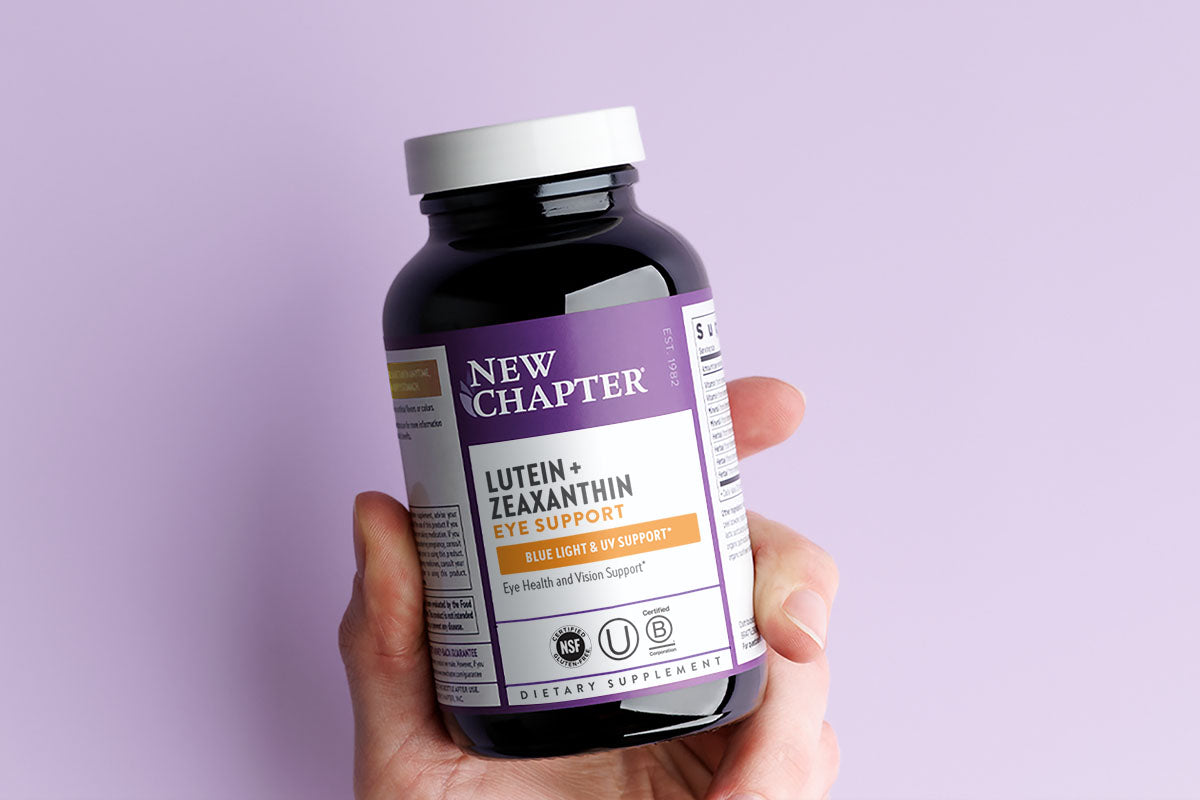
For example, New Chapter Magnesium + Plant-Based Melatonin combines highly absorbable magnesium glycinate with sea-sourced magnesium hydroxide to deliver muscle relaxation support.* It also provides a plant-based‡ source of melatonin for sleep support.*
For a deeper dive into the differences between magnesium forms, see our guide: Magnesium Glycinate vs. Citrate vs. Oxide: Which Form Is Right for You?
How much magnesium should you take?
The amount of magnesium you need depends on your age, sex, diet, and individual needs.
According to the National Institutes of Health (NIH), the Recommended Dietary Allowance (RDA) for magnesium is 400–420 mg daily for adult men and 310–320 mg daily for adult women.
What's surprising is that many Americans don't reach those targets through food alone. That's one reason magnesium supplements have become so popular. They're often used to help support daily magnesium intake alongside magnesium-rich foods such as nuts, seeds, legumes, leafy greens, and whole grains.
Should magnesium be taken before bed?
Many people like to take magnesium supplements in the evening, such as with dinner or before bed.
If you're taking magnesium as part of a wind-down routine, taking it in the evening often makes practical sense. It can become part of the same habit as putting away screens, drinking herbal tea, reading, or preparing for sleep.
That said, magnesium doesn't have to be taken at a specific time. The best time to take magnesium is really the time you'll remember to take it consistently.
A closer look: New Chapter Magnesium + Plant-Based Melatonin
New Chapter Magnesium + Plant-Based Melatonin was created specifically for people who are thinking about both muscle relaxation and sleep.
The formula combines 2.5x better absorbed magnesium bisglycinate† with sea-sourced magnesium to support healthy nerve transmission, muscle recovery, and muscle relaxation.* It also includes unique tomato-derived melatonin‡, a sleep aid that helps regulate your natural sleep cycle so you can fall asleep naturally.*
Unlike many sleep products, Magnesium + Plant-Based Melatonin is designed to support restorative sleep without next-day grogginess and without habit-forming ingredients.*
The result is a formula that addresses both sides of the bedtime equation: relaxation support from magnesium and sleep support from plant-based melatonin.*
What if you're trying to sleep deeper without melatonin?
Some people are interested in supporting their sleep with supplements but prefer not to take melatonin. In those cases, it's important to understand what different ingredients are designed to do.
Magnesium is often included in evening wellness routines because it supports healthy nerve transmission, muscle relaxation, and muscle recovery.* However, magnesium itself is not a sleep aid.
Improving sleep hygiene
If your primary goal is supporting sleep without melatonin, consider focusing on your overall nighttime routine first. Consistent bedtimes, limiting evening screen time, creating a cool, dark sleep environment, and managing stress can all play important roles in sleep quality. Some experts call these bedtime practices "sleep hygiene." Learn more: Tips to Improve Your Sleep Naturally
Taking sleep herbs
Some people also explore herbs traditionally used for relaxation and nighttime support. These can be consumed as bedtime teas, tinctures, or supplements. Learn more in our blog: 9 Best Herbs & Supplements to Sleep Better at Night
The bottom line
When it comes to magnesium for your evening routine, look at both the form and the formula. Magnesium glycinate is a popular form to take because it's well absorbed and has low risk of GI effects. If sleep is your primary goal, a formula that pairs magnesium with a dedicated sleep-support ingredient like melatonin would make the most sense.
Learn more in our Complete Guide to Magnesium Supplements.
† 2.5x better absorption than the leading form as shown in preclinical lab testing on buffered magnesium bisglycinate.
‡ Processed from tomatoes